
Restoring blood flow to the heart.
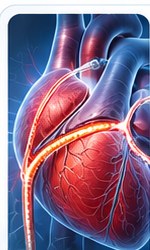
Coronary artery bypass grafting (CABG) is used to treat severe coronary artery blockages. Grafts, often from the chest or leg, create a route for blood to flow around narrowed or blocked arteries. A specialist assessment determines whether CABG or another approach is suitable.
How CABG is performed
CABG may be performed through a traditional breastbone incision, or with selected off-pump, minimally invasive or robot-assisted techniques. The recommended approach depends on coronary anatomy, overall health, prior procedures and clinical assessment.
When is CABG considered?
CABG may be considered for selected people with complex or multiple coronary blockages, persistent symptoms, or when other treatments have not been suitable. Symptoms, coronary angiography and medical history help guide the discussion.
- Traditional CABG
- Off-pump (beating-heart) CABG
- Minimally invasive CABG (MIDCAB) for selected patients
- Robot-assisted approaches in selected cases
Questions to discuss with your specialist.
Bring relevant reports and ask the care team about evaluation and next steps.
Is this suitable for me?
Suitability is decided after review of your clinical history and investigations.
What are the options?
Ask about potential benefits, risks, alternatives and expected outcomes.
What happens next?
Discuss further tests, preparation, recovery and follow-up if relevant.
Confirm availability
Contact the team for current service, appointment and referral information.
This page is for general education only and is not a diagnosis or treatment recommendation. Service availability and suitability must be confirmed with the treating team.
Questions about Coronary Artery Bypass Surgery (CABG)?
Contact the care team to ask about consultation arrangements.